Share:

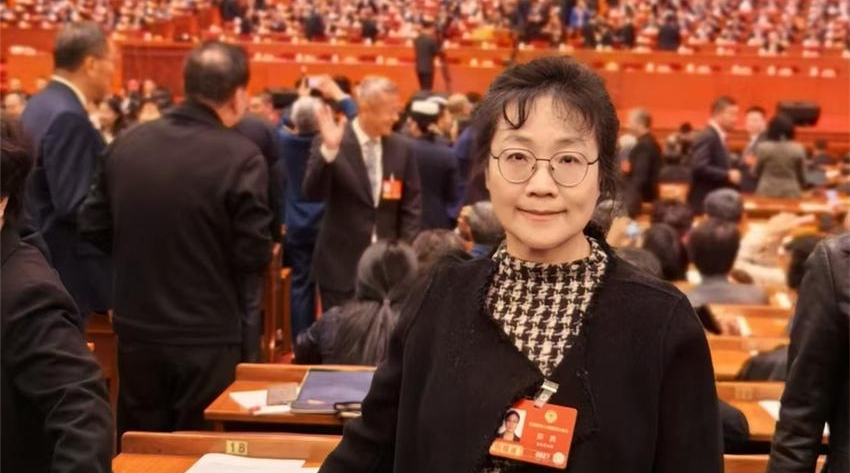
National political advisor Zheng Qian spoke to China.org.cn about the importance of strengthening the preservation of ethnic cultures in border areas.
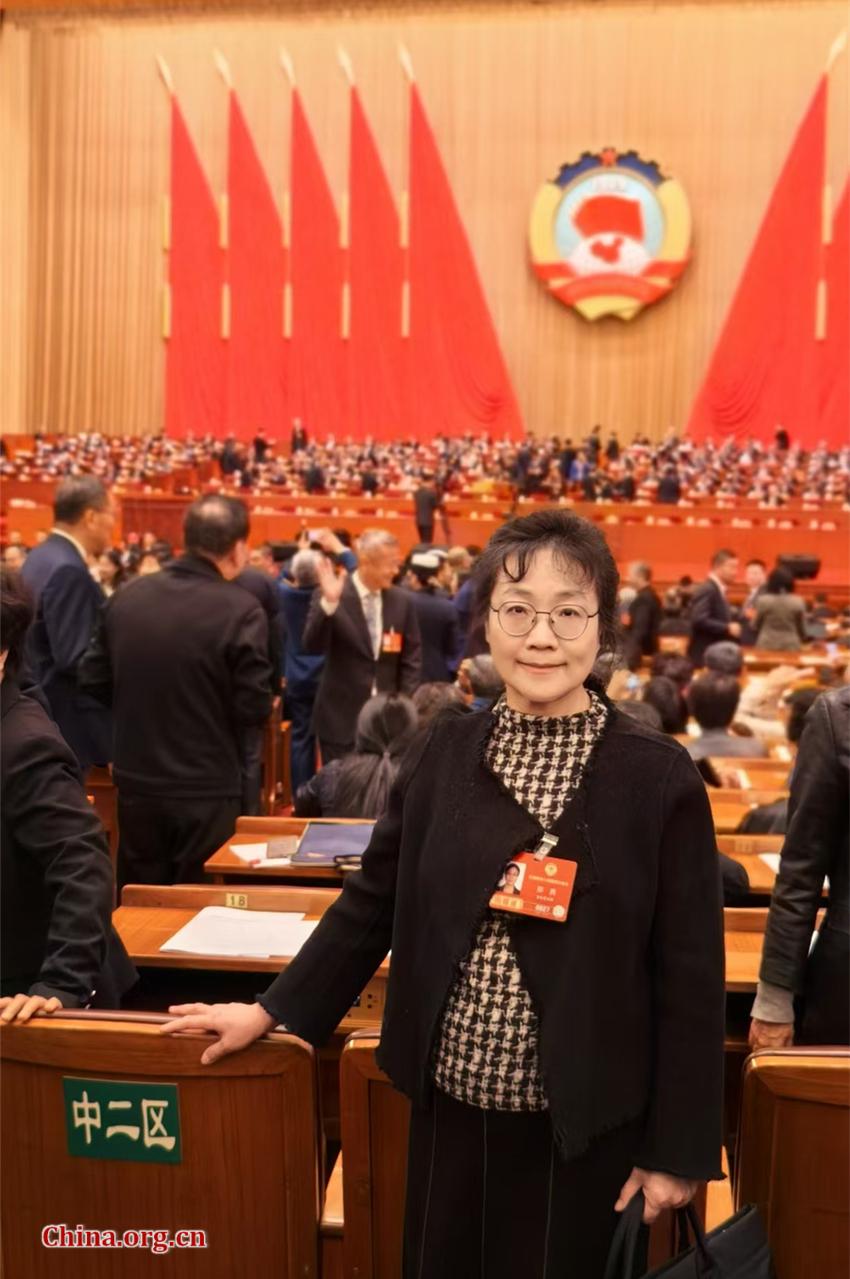
Zheng Qian, a member of the 14th CPPCC National Committee and deputy curator of the Chinese National Museum of Ethnology, poses for a photo at the body's fourth session in Beijing, March 9, 2026. [Photo/China.org.cn]
"The border areas are an important safeguard for national security and a rich reservoir of China's cultural diversity," said Zheng Qian, a member of the 14th CPPCC National Committee and deputy curator of the Chinese National Museum of Ethnology. She is attending the top political advisory body's fourth session, which is being held in Beijing from March 4-11.
"After conducting field research and academic discussions, I found that many aspects of border area cultures are cross-border, shared and have common origins," she said. "They also contain a great deal of historical memory shared by us and neighboring countries."
She suggested that relevant authorities, led by the Ministry of Culture and Tourism, should conduct safety risk assessments for key cultural heritage sites in border areas and establish a categorized and tiered protection list.
Meanwhile, she hopes they can create an international cooperation research mechanism for cross-border cultural heritage and strengthen Chinese research and interpretations. She also recommended proactively setting international academic agendas, establishing a cross-border cultural heritage dialogue forum through platforms such as the Shanghai Cooperation Organization and the Lancang-Mekong Cooperation mechanism, and participating in the formulation of international standards.
"We can also build cross-border cultural heritage exhibition centers in key border port cities to visually present China's cultural interpretations, and transform research results into local textbooks, reading materials and international publicity products," she said.
The political advisor also suggested incorporating the protection of border cultural heritage into the overall framework of neighborhood diplomacy, creating an appealing and inspiring "gateway cultural image belt." Over the next five years, she proposed developing a number of cultural highlights along the border, making the gateway cultural image an important showcase of national cultural soft power.
She further called for China to lead and promote the joint protection of cross-border cultural heritage, applying with neighboring countries for cross-border cultural heritage protection projects. In addition, distinctive border festivals could be developed into cross-border cultural exchange brands, attracting participation from people of neighboring countries and enhancing cultural affinity and people-to-people exchanges.
Zheng noted the importance of establishing an inter-ministerial joint conference system for border cultural heritage protection to coordinate major issues annually, as well as setting up cultural security monitoring stations in border counties and cities to track cross-border cultural dynamics.
She also called for the creation of a digital archiving project to conduct high-precision digital protection of sensitive cultural heritage with backup databases, a talent revitalization plan for border areas, and a special fund for border cultural heritage security. Social participation should be encouraged, with tax incentives explored for public donations in cultural security.


 京公网安备
11010802027341号
京公网安备
11010802027341号